302-994-6252


EV Charger Installations: Outlet, Circuit, or Hardwire?
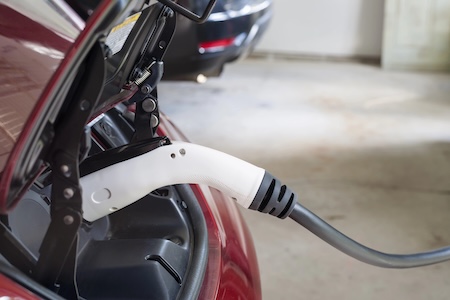
If you’re planning an EV charger installation in Wilmington, you’ve likely heard three options: plug into an outlet, add a dedicated 240‑volt circuit, or hardwire an EVSE. This guide breaks down each choice so you can match your driving needs, your home’s electrical capacity, and plans, and it explains when to consider professional EV charger installation for safe, reliable charging.
Why Wilmington Homeowners Ask: Outlet, Circuit, or Hardwire?
Charging speed, safety, and convenience all hinge on how your EV gets power. Commuters near Trolley Square or The Highlands who drive short distances can often live with slower charging, while families in North Wilmington or Pike Creek usually want overnight, full-battery convenience. Weather also matters; outdoor setups in our coastal climate benefit from equipment and wiring choices that handle humidity, salt air, and winter freezes.
What To Know Before You Choose
Before deciding, your electrician will evaluate your service size, panel space, and where the vehicle will park most of the time. They’ll also consider how your household uses power during peak hours to recommend the safest, most practical path.
- Daily miles and how fast you want to recharge
- Main panel capacity and space for a new breaker
- Garage vs. driveway location, weather exposure, and cable reach
- Load calculations, GFCI/AFCI requirements, and permit needs that may apply
- Plans include a second EV or adding solar
Option 1: Use an Existing Outlet (Temporary and Limited)
Level 1 charging from a standard household outlet can work for light daily use or as a stopgap while you plan a permanent solution. It adds miles slowly, and many Wilmington homeowners find it can’t keep up during busy weeks or colder months when charging is less efficient.
Always use a properly rated outlet on a healthy circuit and avoid extension cords or adapters that weren’t designed for EV charging. Many older homes around Wilmington have receptacles on shared circuits; continuous loads like EV charging can stress those runs. If an outlet seems warm, trips a breaker, or is far from the vehicle, it’s a sign to upgrade.
Option 2: Install a Dedicated 240‑Volt Circuit (Level 2 Ready)
A dedicated 240‑volt circuit paired with a compatible receptacle is the sweet spot for many drivers. It enables Level 2 charging with a significant speed boost, turning overnight top‑offs into a simple routine for commuters from Brandywine Hundred to Newport.
Your electrician sizes the breaker and wiring for a continuous load, then performs load calculations to confirm your service can support the addition. Some setups call for GFCI protection at the breaker or device, and AFCI may apply indoors depending on the circuit location and current code cycle. The result is a convenient plug‑in solution that’s flexible if you change chargers later.
- Faster charging for most daily needs
- Receptacle flexibility if you change vehicles or move equipment
- Cleaner cable management in garages and carports
If your parking is outdoors, ask about in‑use covers and enclosure ratings that handle wind‑driven rain and salt spray along the river. A solid Level 2 charger setup keeps you ready for last‑minute trips without disrupting the rest of your home’s power use.
Option 3: Hardwire an EVSE (Best for Performance and Safety)
Hardwiring connects the charger directly to its own circuit without a plug. It’s often recommended for mid‑ to high‑amperage Level 2 units and for outdoor locations in Wilmington’s mix of humid summers and icy winters, because there’s no receptacle to corrode and fewer exposed connections.
Many manufacturers list higher continuous current when hardwired, which means shorter charge times if your panel can support it. Your electrician will route conduit cleanly, choose weather‑appropriate materials, and set the mounting height for safe cable reach, whether your EV parks nose‑in or backed‑in.
For outdoor and higher‑amp charging, hardwiring commonly offers the most robust, low‑maintenance option. It’s also a great way to tuck cables neatly along a wall, which keeps sidewalks and driveway paths clear.
Load Calculations, GFCI/AFCI, and Permitting in Wilmington, DE
EV charging is considered a continuous load, so proper sizing and protection are crucial. Your electrician performs load calculations to see what your main service and panel can safely handle, then recommends the largest practical charging current without overloading your system.
Today’s code cycles include GFCI and, in many indoor locations, AFCI requirements for certain circuits; these keep people and property safer around water, cords, and outlets. The specifics can vary by device, location, and local adoption timelines, so leave the code details to a licensed pro who works with New Castle County and city inspectors every day.
Permits and inspections may be required depending on the scope and address. Rather than guessing, your contractor will file what’s appropriate and schedule inspections so you get a documented, safe installation that aligns with manufacturer guidance and current code.
Placement, Weather, and Local Home Types
Placing the charger near the panel can minimize wiring runs, but that isn’t always practical. Wilmington’s older rowhomes and tight alley parking often call for creative routing, while detached garages in Elsmere or near Bellevue State Park may need trenching or an upgraded subpanel to support Level 2 charging.
Think about day‑to‑day living. If snowplows bury the curb or storms blow rain against a specific wall, choose an installation point that protects the unit and keeps the cord path short. For garages, wall‑mounting near the driver’s door usually makes the daily plug‑in habit fast and intuitive.
Good lighting helps too. If you plan to improve task lighting around the charger area later, discuss it now so that conduit and cable management account for future fixtures and switches.
Future‑Proofing Your Garage or Driveway
Even if you’re buying your first EV, planning ahead can save time and money later. Many Wilmington households add a second EV within a couple of years, and chargers keep improving with smarter features and network options.
- Consider a circuit sized for future higher‑amp Level 2 charging if your panel supports it.
- Ask about load‑sharing chargers that balance power between two vehicles on one circuit.
- Map cable reach for a second parking spot so you don’t need to relocate the unit later.
- Discuss whole‑home load management if your service is tight and you run large appliances at night.
If you’re interested in solar or battery storage down the line, your electrician can plan conduit routes and panel space, so upgrades integrate cleanly with your charging equipment.
How Electrical Solutions Can Help
As your local licensed electrician in Wilmington, Electrical Solutions designs installations that fit your home, your commute, and your future plans. We evaluate panel capacity, run accurate load calculations, and recommend the right mix of safety features, such as GFCI and AFCI protection, based on current code and the charger you choose.
From outlet assessments to dedicated circuits and hardwired EVSEs, our team handles permits and inspections, coordinates neat conduit runs, and tests every connection before you plug in. If you’re curious about brands and features, we’ll explain options in plain language so you get a setup that’s easy to use and built to last.
Getting started is simple. Call us at 302-994-6252 , and we’ll walk your property, verify panel details, and provide a clear plan to charge with confidence at home.
Ready To Charge Faster In Wilmington?
If you’re deciding between an outlet, a dedicated circuit, or a hardwired EVSE, we’ll help you choose the safest, most reliable path for your home and driving routine. For a deeper look at options, materials, and scheduling, explore our page on a complete level 2 charger setup and see how a professional install streamlines your daily charge.
Talk with a friendly pro today and get your charger plan started the right way. Call 302-994-6252 to schedule a visit with Electrical Solutions.
More Tips on Uncategorized